Piping Works
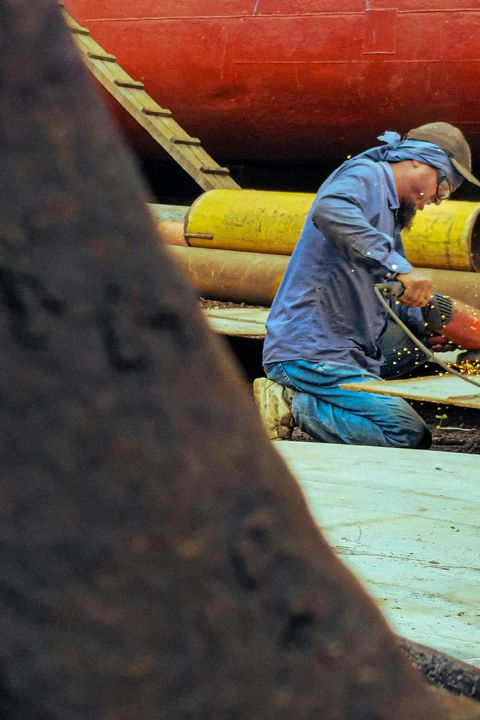
Piping works are a fundamental part of the construction and industrial sectors, involving the design, installation, and maintenance of piping networks. Through these systems, various fluids such as water, gases, fuels, and chemicals are transported in residential, industrial, and energy facilities. Their proper execution is essential for the safety and efficiency of any system.
Piping installations are divided into different categories depending on their application. These include water supply and drainage networks, heating and cooling systems, as well as industrial installations for the transportation of gases or liquids under pressure. Each category requires specific design requirements and implementation standards.
The materials used in piping systems vary depending on the requirements of each application. Common materials include metals such as steel and copper, as well as plastic materials like PVC and polyethylene. The selection of the appropriate material depends on factors such as operating pressure, temperature, and chemical resistance.
The installation of piping systems requires specialized expertise and strict compliance with technical specifications. It involves processes such as cutting, welding, pipe connection, and fastening, ensuring the system’s durability and leak-tightness. At the same time, measures are taken to prevent leaks and mechanical stress.
The maintenance of piping systems is equally important as their installation, as it contributes to their long-term and safe operation.
Overall, piping works represent a critical sector of the technical infrastructure of every modern project. The quality of design, materials, and construction directly affects the safety, energy efficiency, and functionality of installations. For this reason, a high level of professionalism and specialization is required at every stage of the process.